The Impact of Cutting-Edge Gadgets on Everyday Life and Work
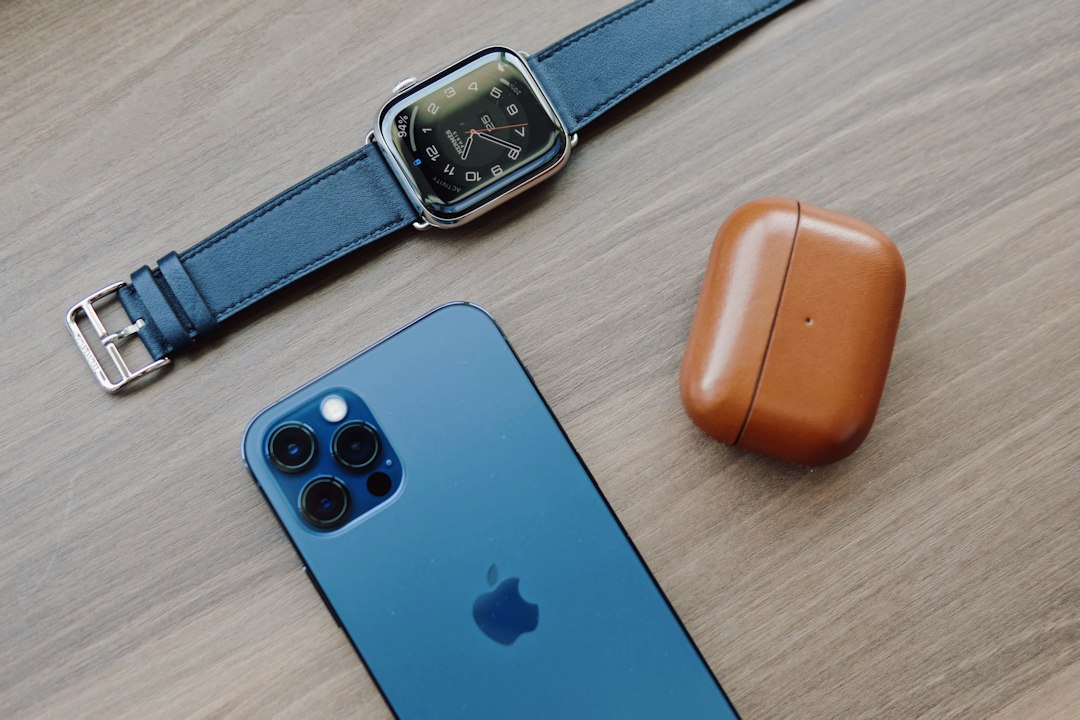
In today’s fast-paced world, cutting-edge gadgets have become integral to our daily lives and work environments. From smartphones to smart home devices, technology is reshaping how we interact with our surroundings and each other. As we delve into the impact of these innovations, it is essential to understand their influence on productivity, communication, and overall quality of life.
One of the most significant ways that tech gadgets have impacted our lives is through communication. With the advent of smartphones and instant messaging apps, staying connected has never been easier. According to recent statistics, over 90% of adults in the U.S. own a smartphone, which has revolutionized how we communicate, allowing for real-time conversations regardless of geographical barriers.
This shift has not only enhanced personal relationships but has also transformed professional communication. Businesses now rely on tools like video conferencing and collaborative platforms to facilitate remote work. A study found that companies using these technologies reported a 25% increase in productivity, highlighting the essential role of gadgets in modern communication.
Cutting-edge gadgets are also pivotal in enhancing productivity across various sectors. Laptops, tablets, and smartwatches have become staples in the workplace, enabling employees to work efficiently from virtually anywhere. The global market for productivity software is projected to reach $100 billion by 2025, reflecting the growing reliance on technology to streamline tasks and improve workflow.
Moreover, the integration of artificial intelligence in gadgets has further optimized productivity. For instance, smart assistants can manage schedules, set reminders, and even automate repetitive tasks. This not only saves time but also allows individuals to focus on more critical aspects of their work, ultimately leading to better outcomes and job satisfaction.
Health and wellness have also seen a significant transformation due to tech gadgets. Wearable devices, such as fitness trackers and smartwatches, empower users to monitor their health metrics in real-time. Recent data indicates that 30% of adults now use wearable technology to track their physical activity, sleep patterns, and heart rates, fostering a more health-conscious society.
These gadgets encourage users to adopt healthier lifestyles by providing insights and personalized feedback. For example, many fitness trackers offer reminders to move or exercise, which can lead to improved physical health. The ability to track progress over time can motivate individuals to set and achieve fitness goals, ultimately enhancing their overall well-being.
The rise of e-commerce platforms like techecomworlds.com illustrates how tech gadgets are shaping consumer behavior. With a vast array of products available at our fingertips, consumers are increasingly turning to online shopping for convenience and variety. In 2022, online retail sales reached $1 trillion in the U.S. alone, demonstrating a significant shift in purchasing habits.
This trend is driven by the accessibility of information and the ability to compare products easily. Consumers are now more informed than ever, often researching gadgets online before making a purchase. This shift has compelled retailers to enhance their online presence and offer competitive pricing, ultimately benefiting consumers.
Key Insight: The integration of cutting-edge gadgets into everyday life and work is not merely a trend but a fundamental shift in how we live and interact. As technology continues to evolve, its impact on communication, productivity, health, and consumer behavior will only deepen, shaping the future of our society.
In conclusion, the influence of tech gadgets on our daily lives is profound and multifaceted. From enhancing communication to improving health and shaping consumer behavior, these innovations are redefining our experiences. As we embrace these advancements, it is crucial to remain aware of their implications and harness their potential to create a better, more connected world.
Navigating tech can be overwhelming. We empathize with your struggles and are dedicated to providing solutions that truly resonate with you.